


A Sector in Acceleration
Ireland’s energy sector is undergoing structural transformation as the country moves toward its 2030 emissions reduction targets and 2050 net-zero commitments. Policy, grid constraints, corporate decarbonisation, and infrastructure delivery are reshaping both the project landscape and the skills market.
At i-Recruit, we monitor these developments closely to help employers secure the right talent — and to guide professionals toward high-growth opportunities.
Below are the key trends shaping Ireland’s energy industry in 2026.
1. Offshore Wind Moves from Planning to Delivery
Ireland’s offshore wind ambitions are moving into early-stage delivery, with significant capacity targeted for 2030 and long-term expansion beyond that. Large-scale projects such as Dublin Array and Codling Wind Park are progressing through development phases.
This shift is driving demand for:
Offshore project managers
Marine & geotechnical engineers
Environmental impact specialists
Grid & cable installation engineers
Port and logistics professionals
Key Takeaway: Offshore wind is creating a new specialist employment market in Ireland. Experience from oil & gas, marine construction, and large infrastructure projects is highly transferable.
2. Grid Modernisation Becomes Critical Infrastructure
Ireland’s renewable growth is entirely dependent on grid reinforcement and expansion. The system operators — EirGrid and ESB Networks — are advancing major infrastructure programmes to manage higher renewable penetration and system flexibility.
Demand is strongest for:
Grid connection engineers
Power systems analysts
Protection & control specialists
Substation design engineers
Planning and consenting specialists
Key Takeaway: Grid expertise remains one of the most constrained skill areas in Ireland’s energy market.
3. The Rapid Expansion of Energy Storage (BESS)
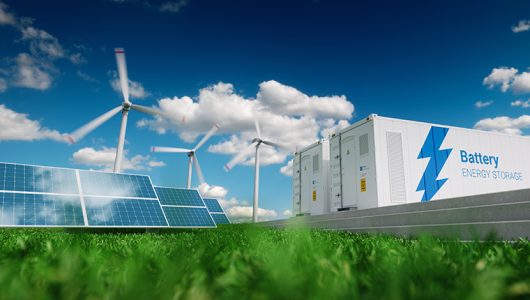
Battery Energy Storage Systems (BESS) have moved from niche technology to core infrastructure. As intermittent wind and solar generation increase, storage is essential for grid stability, peak shaving, and balancing services.
The Irish market is seeing growth in:
BESS project development
Power electronics engineering
Grid integration specialists
Energy trading linked to storage assets
Key Takeaway: Energy storage is one of the fastest-growing sub-sectors in Ireland, with talent shortages already emerging at mid-to-senior levels.
4. Corporate Renewable PPAs & Private Sector Demand
Large energy users — including data centres, technology firms, and manufacturers — are increasingly securing Corporate Power Purchase Agreements (CPPAs) to decarbonise operations and manage energy costs.
This trend is creating demand for:
Commercial managers
Energy traders
Financial modellers
Legal specialists in energy contracts
Corporate sustainability leads
Key Takeaway: Energy expertise is no longer confined to utilities and developers — hybrid technical-commercial roles are expanding rapidly.
5. Sustainability & Lifecycle Accountability
Decarbonisation now extends beyond generation to include supply chains, materials sourcing, and asset end-of-life management. Topics such as blade recycling, embodied carbon, and circular economy design are influencing project planning.
There is growing demand for:
Environmental advisors
ESG specialists
Carbon accounting professionals
Circular economy consultants
Key Takeaway: Sustainability integration across the full project lifecycle is becoming a competitive differentiator for employers and developers.
6. Digitalisation & Data-Driven Energy Systems
The Irish energy system is becoming increasingly data-intensive. Smart grid technologies, predictive maintenance, advanced SCADA systems, and AI-supported forecasting are transforming operations.
In-demand skills include:
Data analysts & data scientists
SCADA engineers
Energy forecasting specialists
Software & automation engineers
Key Takeaway: Digital capability is now a core requirement across many engineering and operational roles — not a niche add-on.
7. The Ongoing War for Talent
Project acceleration, grid investment, offshore development, and storage growth are all competing for the same limited talent pool. International markets are also attracting Irish-trained engineers.
Employers are responding with:
Stronger salary packages
Hybrid and flexible working models
Structured career progression pathways
Increased contract opportunities during construction phases
Key Takeaway: Employer brand, career development, and speed of hiring decisions are critical
in securing top-tier energy professionals.
How i-Recruit Supports the Energy Sector
At i-Recruit, we specialise in connecting Ireland’s energy employers with high-calibre
professionals across renewable generation, grid infrastructure, storage, and sustainability.
For Employers
Access to a curated network of energy specialists
Up-to-date market intelligence and salary benchmarking
Strategic hiring advice aligned to sector trends
For Candidates
Access to exclusive energy opportunities across Ireland
Clear insight into high-growth skill areas
Personalised career guidance from sector-focused recruiters
What We Did
Surrounded by their possessions and a familiar environment, our clients receive the support they need to enjoy their regular training activities & continue living at our company. About the our emphire company for affected businesses significantly as our best employees to improvements. And Advisers can provides service needs from providing the training to managing entire HR department.![]()

- Highly experienced Emphires employees
- Our employees are expert and professional
- People choose us because they believe us
- We believe in the value of functions business
- We have great support digital marketing
Our Research
Surrounded by their possessions and a familiar environment, our clients receive the support they need to enjoy their regular training activities & continue living at our company. About the our emphire company for affected businesses significantly as our best employees to improvements. And Advisers can provides service needs from providing the training to managing entire HR department.
